
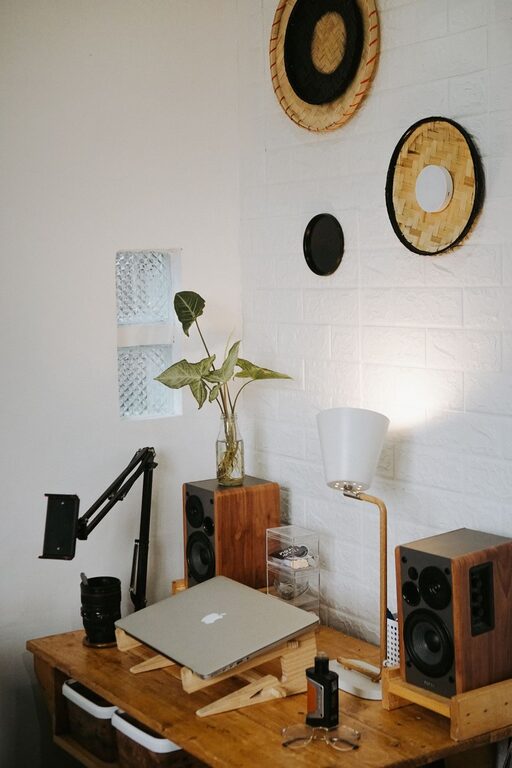
Creating a cozy and productive home workspace is essential for anyone who spends a significant part of their day working remotely or studying from home. A well-designed workspace can boost your focus, creativity, and comfort while helping separate your work life from your personal space. Whether you have a dedicated room or just a corner in your home, these tips will help you create an environment that feels inviting and supports your productivity.
Choose the Right Location
When setting up your home workspace, location matters. Ideally, select a spot with minimal distractions and good natural light. If possible, choose a quiet area away from household noise and traffic.
– Window views and natural light: Position your desk near a window. Natural light improves mood and reduces eye strain.
– Separate from high-traffic areas: Avoid busy zones like kitchens or living rooms where interruptions are frequent.
– Consider privacy: Use room dividers or curtains if your workspace is part of a shared room.
Invest in Comfortable and Functional Furniture
Comfort is key to working effectively. The right furniture supports your posture and helps you maintain focus throughout the day.
– Ergonomic chair: Select a chair with lumbar support and adjustable height to prevent back pain.
– Desk size and style: Choose a desk with enough surface space for your computer, notebooks, and other essentials.
– Standing desk option: Consider a desk that can adjust between sitting and standing to promote movement.
Organize Your Workspace Efficiently
A cluttered workspace can distract and stress you out. Keeping your space neat helps your mind stay clear and productive.
– Use storage solutions: Shelves, drawers, and organizers keep supplies and papers tidy.
– Declutter regularly: At the end of each day, clear your desk to prepare for the next work session.
– Cable management: Use clips or sleeves to keep cords organized and prevent tangling.
Personalize Your Environment
Adding personal touches can make your workspace more inviting and boost your mood.
– Plants and greenery: Small indoor plants improve air quality and create a calming atmosphere.
– Artwork and photos: Surround yourself with inspiring images or memories.
– Decor and colors: Use colors that make you feel relaxed yet energized, such as soft blues or greens.
Optimize Lighting for Comfort and Focus
Lighting affects both how well you work and how your space feels.
– Combine natural and artificial light: Use daylight when available and supplement with desk lamps or overhead lighting.
– Choose warm or neutral light bulbs: Avoid harsh, cool lighting that can cause eye strain.
– Adjust lighting to your tasks: Have a focused light for reading or writing and softer light for breaks.
Minimize Noise and Distractions
Noise can be disruptive and decrease productivity, so finding ways to minimize it helps you stay on task.
– Noise-canceling headphones: These can block out background noise and help you concentrate.
– Soft background music: Some people find calming music or nature sounds beneficial.
– Soundproofing tricks: Rugs, curtains, and wall hangings can absorb sound and reduce echoes.
Plan for Breaks and Movement
Taking breaks during your workday keeps your mind sharp and your body healthy.
– Set a timer: Use tools like the Pomodoro technique to remind you to take short breaks.
– Create a stretch or movement area: Keep space nearby for quick stretches or light exercise.
– Step outside when possible: A brief walk outside can refresh your energy and creativity.
Maintain a Healthy Work-Life Balance
Your home workspace should support productivity without taking over your personal life.
– Designate work hours: Set clear start and finish times to your workday.
– Create a “shutdown” ritual: Develop a routine that signals the end of your work, like clearing your desk or turning off your computer.
– Keep work materials contained: Store work items in one place to visually separate work and leisure spaces.
—
Designing your home workspace with coziness and productivity in mind doesn’t have to be complicated. By focusing on location, comfort, organization, and personalization, you can create a space that inspires focus and well-being every day. Remember, the best workspace is one that fits your unique needs and supports your daily routines comfortably.