
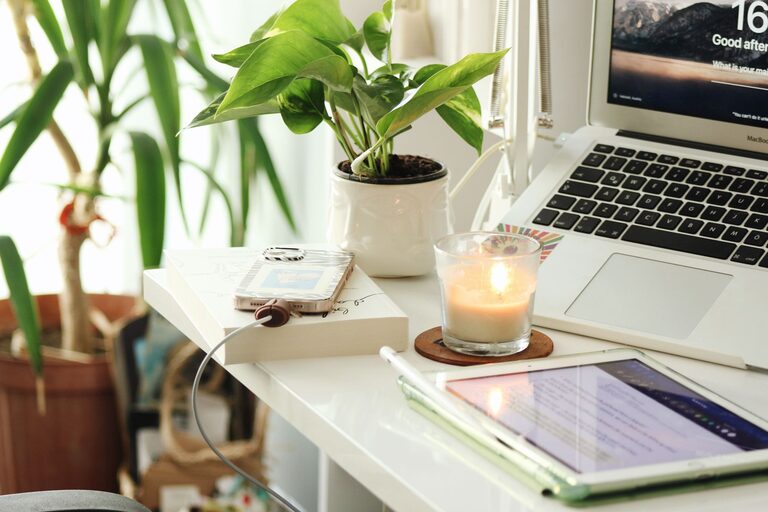
Creating a relaxing home office environment is essential for maintaining focus and reducing stress while working from home. A well-designed workspace can improve your mood, increase productivity, and help you maintain a healthy work-life balance. Whether you have a dedicated room or a small corner, applying a few thoughtful tips can transform your home office into a comfortable and calming retreat. Here are some helpful ideas to get you started.
Choose the Right Location
Selecting the right spot in your home is the first step toward a relaxing office space.
– Natural Light: Try to position your desk near a window to take advantage of natural light. Sunlight helps regulate your sleep cycle and boosts your mood.
– Quiet Area: Find a place away from household noise and distractions. This will help you stay focused and reduce stress.
– Space: Make sure your workspace has enough room for all your essentials without feeling cramped.
Invest in Comfortable Furniture
Your furniture plays a big role in comfort and relaxation.
– Ergonomic Chair: Choose a chair that supports your back and promotes good posture. Adjustable chairs allow for personalized comfort.
– Desk Height: A desk at the right height helps prevent strain. Consider a sit-stand desk if you want to alternate between sitting and standing.
– Footrest and Accessories: Small additions like a footrest, wrist supports, or monitor stands enhance comfort and reduce fatigue.
Keep Your Space Organized
A clutter-free environment encourages a clear mind and efficient work.
– Storage Solutions: Use shelves, filing cabinets, or baskets to store papers and supplies neatly.
– Declutter Regularly: Set a daily or weekly routine to clear unnecessary items from your desk.
– Minimal Decor: Choose a few meaningful items that inspire you without overwhelming your space.
Incorporate Calming Colors and Decor
Colors affect mood and productivity, so select tones that promote relaxation.
– Soft Neutrals: Light shades like soft blues, greens, or greys create a soothing atmosphere.
– Plants: Adding some greenery boosts oxygen and brings a refreshing touch.
– Personal Touches: Photos, art, or inspirational quotes can make the space feel welcoming and motivating.
Control Lighting and Reduce Eye Strain
Proper lighting protects your eyes and keeps you alert throughout the day.
– Adjustable Lighting: Use desk lamps in addition to overhead lighting to avoid glare.
– Warm Light: Soft, warm lights are easier on the eyes and create a cozy ambiance.
– Breaks from Screens: Follow the 20-20-20 rule—every 20 minutes, look at something 20 feet away for 20 seconds to reduce eye strain.
Manage Noise
Noise can be distracting and stressful, so managing sound is important.
– Noise-Canceling Headphones: These can help block out background noise when needed.
– White Noise or Nature Sounds: Playing soft ambient sounds can improve focus.
– Soundproofing: Simple additions such as thick curtains, rugs, or wall panels help absorb noise.
Maintain Good Air Quality and Temperature
Fresh air and the right temperature contribute to comfort and alertness.
– Ventilation: Open windows when possible or use an air purifier to keep air fresh.
– Temperature Control: Aim for a comfortable temperature around 68-72°F (20-22°C). Use fans or heaters as needed.
– Plants for Air Quality: Certain houseplants like snake plants or pothos can improve indoor air quality.
Add Break Spots and Movement
Taking regular breaks and moving helps reduce stress and improve creativity.
– Comfortable Seating: Include a cozy chair or nook where you can step away and relax briefly.
– Stretch or Exercise: Incorporate simple stretches or light exercises during breaks to refresh your body.
– Change of Scenery: If possible, work in different parts of your home from time to time to stay energized.
Organize Your Digital Workspace
A cluttered digital space can increase stress just as much as a physical mess.
– Clean Desktop: Keep your computer desktop tidy with only necessary files.
– Organized Folders: Sort your documents into well-named folders for easy access.
– Limit Notifications: Turn off unnecessary notifications to minimize distractions.
Maintain Healthy Work Habits
Even the most relaxing environment won’t help if you work non-stop.
– Set Boundaries: Establish clear working hours to separate work and personal time.
– Take Regular Breaks: Step away from your desk regularly to rest your eyes and mind.
– Stay Hydrated and Nourished: Keep water and healthy snacks nearby to maintain energy.
—
Creating a relaxing home office may require some effort, but the benefits are worth it. By focusing on comfort, organization, lighting, and your overall well-being, you can design a space that not only looks inviting but also supports your best work every day. Remember, a peaceful environment helps you stay motivated, focused, and balanced – both professionally and personally.