
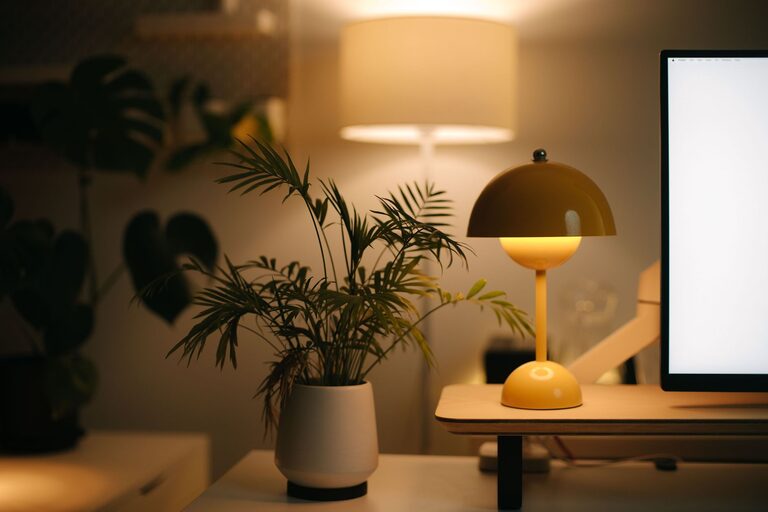
Creating a cozy and inviting home workspace is essential for anyone who spends a significant amount of time working from home. A well-designed workspace can boost productivity, reduce stress, and make your workday more enjoyable. Whether you have a dedicated room or just a small corner, there are simple ways to turn any area into a comfortable and inspiring setup. In this post, we’ll explore practical tips to help you design a home workspace that feels warm and welcoming.
Choose the Right Location
The first step in creating a cozy workspace is finding the ideal spot in your home. Consider these factors:
– Natural Light: Working near a window provides natural light, which can improve mood and energy levels. Position your desk so you can take advantage of daylight without glare on your screen.
– Quiet Environment: Select a quiet area free from distractions to help you focus.
– Space for Essentials: Ensure the spot has enough room for your computer, office supplies, and any other tools you need.
If a secluded room isn’t available, try to create a partition or use screens to define your workspace.
Invest in Comfortable Furniture
Comfort is key for long hours of work. Here’s what to keep in mind:
– Ergonomic Chair: Choose a chair that supports your posture and allows for adjustable height. Look for cushioned seats and lumbar support.
– Desk Size and Height: Pick a desk that fits your space but also allows you to spread out your work materials comfortably.
– Footrest and Accessories: Consider adding a footrest or ergonomic keyboard and mouse to reduce strain.
Comfortable furniture reduces physical discomfort and helps maintain focus.
Personalize with Cozy Decor
Adding personal touches to your workspace can make it feel inviting and less sterile.
– Soft Textiles: Introduce a throw blanket or cushions to add warmth. A cozy rug underfoot can also make the area more pleasant.
– Plants: Indoor plants improve air quality and add a touch of nature. Low-maintenance plants like succulents or peace lilies are great choices.
– Artwork and Photos: Decorate with artwork or framed photos that inspire and motivate you. Choose calming colors to create a relaxing atmosphere.
– Lighting: Use warm lighting options like desk lamps or fairy lights to create a soft glow, especially for working in the evenings.
Organize for Efficiency and Calm
A cluttered workspace can cause stress and reduce productivity. Keeping things organized helps maintain a calm environment.
– Storage Solutions: Use shelves, drawers, or baskets to keep supplies tidy.
– Cable Management: Use clips or cable boxes to prevent cords from tangling and creating visual clutter.
– Daily Clean-Up: Make it a habit to tidy your desk at the end of each day. This resets your space for the next work session.
– Minimalism: Only keep essential items on your desk to maintain a clean surface.
An organized space encourages focus and makes work feel less overwhelming.
Create a Functional Zone
Design your workspace so everything you need is within easy reach but not overcrowded.
– Zones for Tasks: If space allows, create separate zones for computer work, paperwork, and creative activities.
– Use Vertical Space: Wall-mounted organizers or pegboards can hold supplies while freeing up desk space.
– Tech Setup: Arrange your computer, phone, and other devices thoughtfully to avoid constant reaching or uncomfortable postures.
A functional layout improves workflow and comfort.
Add Elements for Relaxation and Breaks
To keep your workspace cozy, it’s important to include areas or items that encourage you to take short breaks and relax.
– Comfortable Chair or Cushion: A small armchair or a floor cushion nearby can be a great place to stretch or relax your eyes.
– Aromatherapy: A subtle diffuser with calming scents like lavender or eucalyptus can improve the ambiance.
– Music or White Noise: Consider soft background music or a white noise machine to drown out distractions.
Breaks help reset your mind, promoting better focus when you return to work.
Maintain Good Air Quality and Temperature
Your comfort also depends on the air you breathe and the temperature of your space.
– Ventilation: Open windows when possible to circulate fresh air.
– Air Purifiers: If outdoor air quality is poor, consider an air purifier.
– Temperature Control: Use fans or heaters as needed to keep the room at a comfortable temperature.
A healthy environment supports overall well-being and productivity.
Final Thoughts
Designing a cozy and inviting home workspace doesn’t require a large budget or a lot of space. By focusing on comfort, personalization, organization, and functionality, you can create an environment that not only looks good but feels great to work in. Remember that small changes, like adding plants or improving lighting, can make a big difference in your daily work experience. Take time to adjust your setup as you discover what makes you most comfortable and productive. With these tips, your home workspace can become a place you look forward to spending time in every day.