
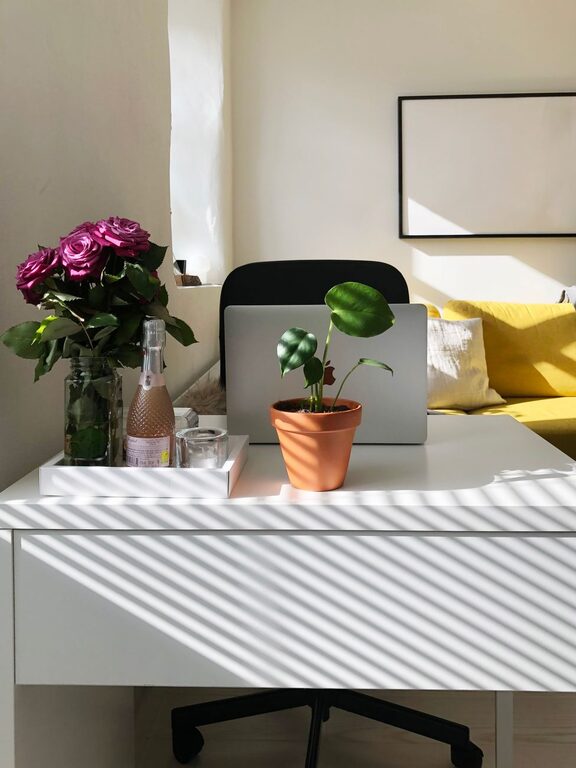
Creating a productive home office environment is essential for anyone who works remotely or spends time tackling projects at home. A well-designed workspace can help you stay focused, motivated, and efficient throughout the day. Whether you’re new to working from home or looking to improve your current setup, these tips can help transform your space into a productivity powerhouse.
Choose the Right Location
The foundation of a productive home office begins with selecting the right spot. Ideally, look for a quiet area of your home that experiences minimal distractions. Avoid high-traffic zones like the kitchen or living room if possible.
– Natural Light: Pick a room or corner with plenty of natural light. Sunlight boosts mood and energy, making it easier to concentrate.
– Away from Noise: If you can’t find a separate room, use noise-canceling headphones or add soft furnishings like rugs and curtains to absorb sound.
Invest in Comfortable, Ergonomic Furniture
Your workspace should support your health and comfort during long work hours.
– Ergonomic Chair: Choose a chair with good lumbar support and adjustable height.
– Desk Height: Ensure your desk allows your arms to rest comfortably at a 90-degree angle while typing.
– Monitor Position: Place your computer monitor at eye level to avoid neck strain.
Keep Your Workspace Organized
Clutter can be a major productivity killer. An organized environment helps clear your mind and reduces stress.
– Declutter Regularly: Remove unnecessary items from your desk daily.
– Storage Solutions: Use shelves, drawers, or filing cabinets to keep documents and supplies tidy.
– Digital Organization: Maintain an organized desktop and folders on your computer to find files quickly.
Optimize Lighting
Proper lighting helps reduce eye strain and keeps you alert.
– Layered Lighting: Combine natural light with overhead lights and a desk lamp.
– Adjust Brightness: Use warm bulbs for comfort and bright, white bulbs to stay focused on detailed tasks.
– Position Your Desk: Arrange your workspace to avoid glare on your screen from windows or lamps.
Minimize Distractions
Distractions can easily break your flow when working at home.
– Set Boundaries: Communicate your work hours to family or roommates to minimize interruptions.
– Turn Off Non-Essential Notifications: Silence social media or phone alerts during work periods.
– Use Focus Tools: Productivity apps or timers like the Pomodoro Technique can help maintain concentration.
Personalize Your Space
Adding personal touches can make your office a pleasant place to spend time without becoming a distraction.
– Plants: Indoor plants improve air quality and add calming greenery.
– Artwork or Photos: Select inspiration pieces or family photos that motivate you.
– Comfort Items: Consider items like a cozy throw blanket or a favorite coffee mug.
Establish a Routine
Having a regular routine signals your brain when it’s time to work and when to rest.
– Set Regular Hours: Start and end work at consistent times.
– Take Breaks: Step away from your desk periodically to stretch or take a short walk.
– Create a Start-Up Ritual: Begin your day with a routine, like making a cup of tea or reviewing your task list.
Use Technology Wisely
Leverage technology to boost productivity but avoid overloading your workspace with gadgets.
– Reliable Internet: Ensure you have stable and fast internet.
– Efficient Tools: Utilize productivity software like calendars, task managers, and communication platforms.
– Cable Management: Keep cords organized to avoid clutter and hazards.
Maintain Good Air Quality and Temperature
Comfortable temperature and fresh air contribute to better focus and energy.
– Ventilation: Open windows when possible to let in fresh air.
– Temperature Control: Adjust your thermostat to a comfortable level, typically between 68-72°F.
– Air Purifiers: Consider using an air purifier if your space tends to be stuffy or dusty.
Keep Work and Personal Life Separate
Avoid the temptation to blend work tasks with home chores.
– Dedicated Workspace: Even a small desk or corner dedicated solely to work helps create a boundary.
– End-of-Day Ritual: Close your laptop and physically leave your workspace when done for the day.
—
By applying these tips, you can create a home office environment that supports productivity, comfort, and balance. Remember, the best workspace is the one that suits your personal needs and helps you do your best work every day.